Architectural Considerations in School Design that Supports Learning, Safety, and Long-Term Growth.
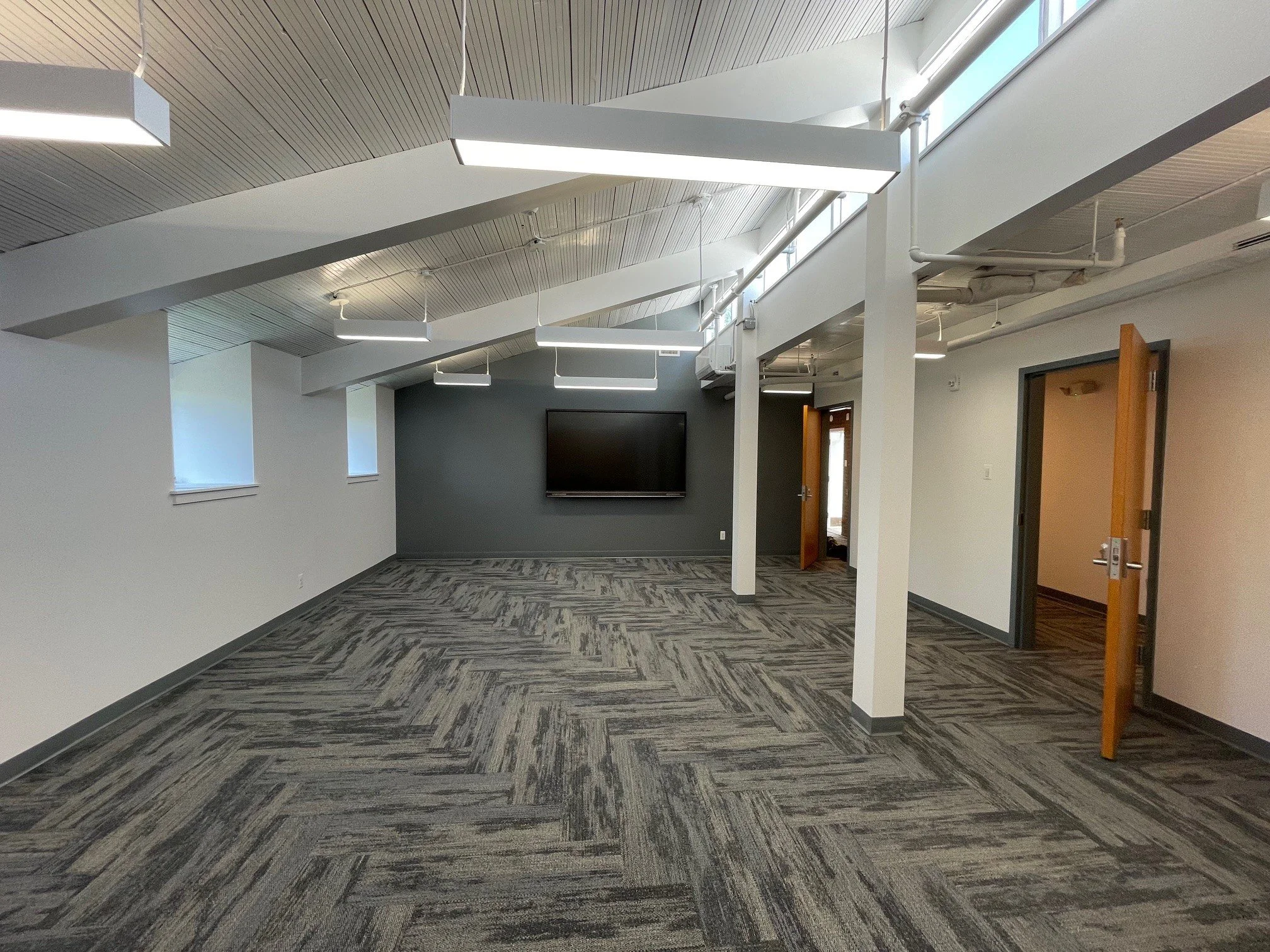
Creating a successful school environment requires more than simply designing classrooms and hallways. Today’s educational facilities must support evolving teaching methods, student wellness, technology integration, campus security, and future growth — all while remaining functional and cost-effective for administrators and communities.
At Gormley Designs LLC, school design is approached with a focus on creating flexible, durable, and inspiring educational spaces that help students and educators succeed.
Modern educational architecture increasingly emphasizes adaptable learning environments, collaborative spaces, natural daylighting, and campus planning strategies that improve both functionality and student engagement. Educational design professionals across the industry continue to prioritize flexible campus environments that can evolve with changing educational needs.
Designing Schools for Modern Learning
Educational spaces have changed significantly over the past decade. Traditional classroom layouts are being replaced with flexible learning environments that encourage collaboration, creativity, and hands-on learning.
Modern school design often includes:
· Flexible classroom configurations
Shared collaborative learning spaces
STEM and technology-focused environments
Improved circulation and supervision
Enhanced security planning
Energy-efficient building systems
Outdoor learning opportunities
Multipurpose gathering areas
Successful school architecture must balance aesthetics with practical daily operations. Every decision — from traffic flow to material selection — impacts students, teachers, administrators, and maintenance staff for decades.
The Importance of Flexibility in Educational Facilities
One of the biggest challenges facing schools today is adapting to changing enrollment, curriculum updates, and evolving educational technologies. Flexible educational design allows facilities to grow and change without requiring constant major renovations.
Industry-leading educational projects increasingly focus on adaptable learning environments and campus planning strategies that support long-term institutional goals.
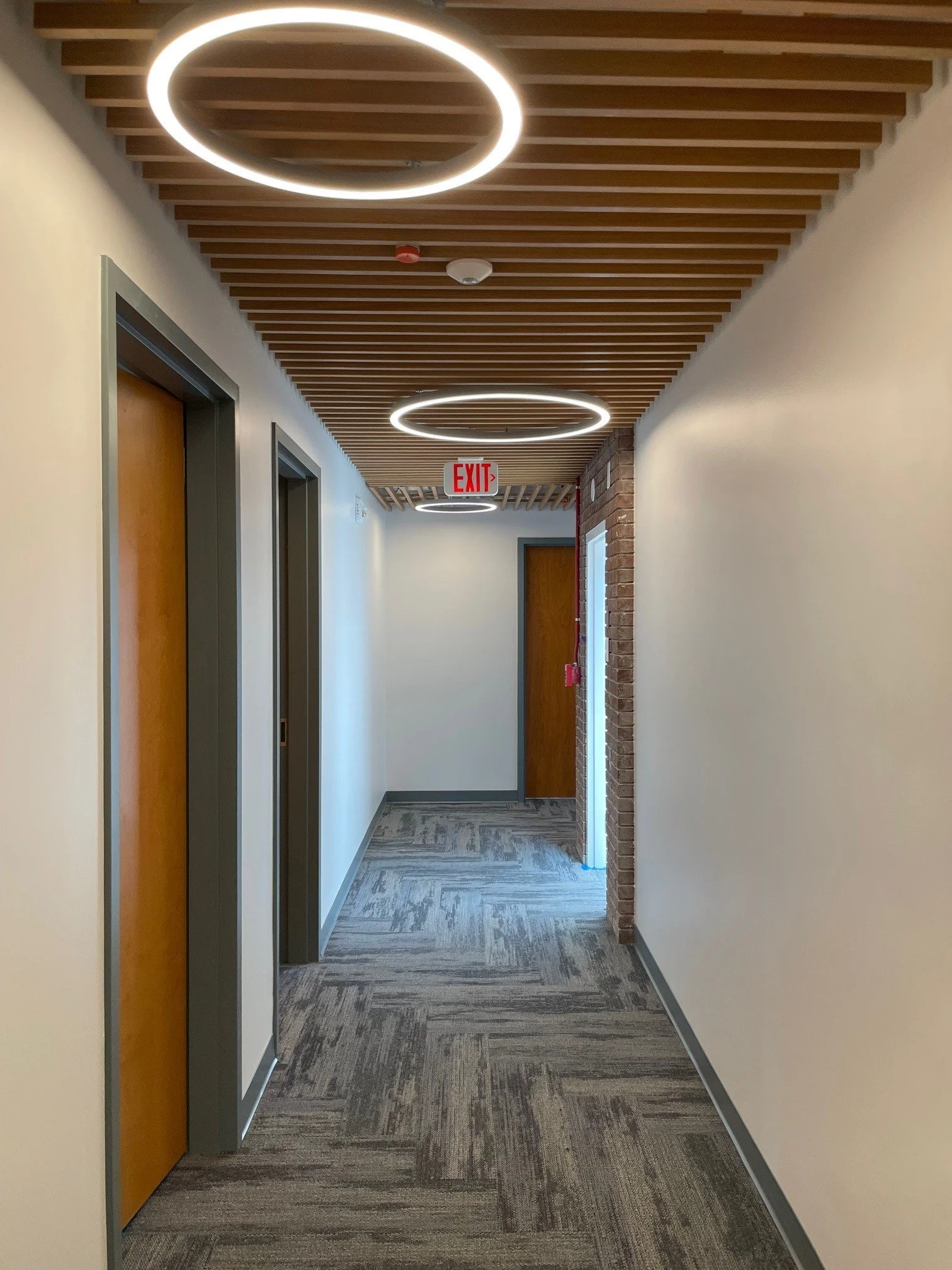
Flexible design strategies include:
*Movable partitions
*Multipurpose classrooms
*Expandable campus planning
*Shared-use community spaces
*Future technology infrastructure
*Flexible furniture layouts
*Adaptable commons areas
These design approaches can help schools maximize their long-term investment while supporting future educational trends.
Safety and Security Through Thoughtful Architecture
School safety remains one of the most important considerations in educational facility planning. Effective school design can improve visibility, control access points, and create safer environments without making campuses feel institutional or restrictive.
Architectural planning can support safety through:
Controlled building entrances
Clear sightlines throughout campuses
Secure visitor management areas
Efficient emergency circulation
Strategic administrative placement
Exterior lighting and site visibility
Durable and low-maintenance materials
When integrated early in the planning process, security strategies can blend seamlessly into the overall design while maintaining a welcoming educational environment.
Creating Spaces That Inspire Students
The physical environment directly impacts how students feel, focus, and interact throughout the school day. Natural light, acoustics, colors, interior materials, and spatial organization all contribute to the learning experience.
Educational facilities that prioritize student comfort and engagement often include:
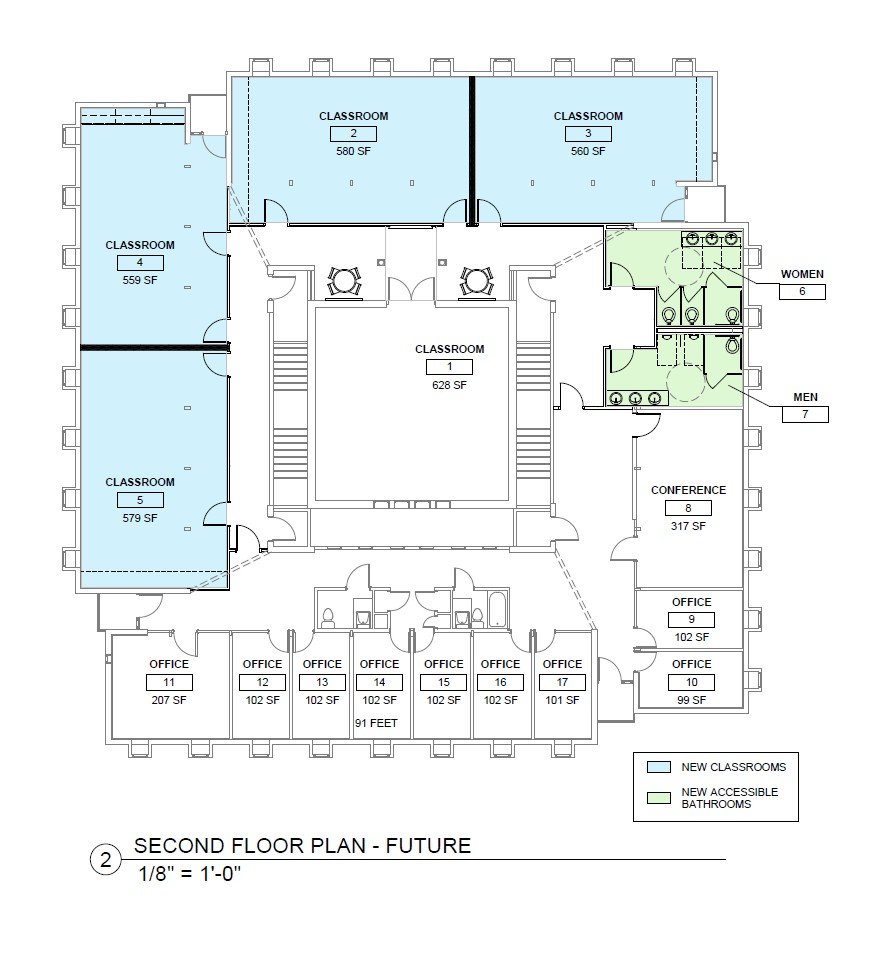
Abundant natural daylight
Collaborative breakout spaces
Indoor/outdoor learning connections
Comfortable common areas
Clear wayfinding
Access to views and nature
Student-centered gathering spaces
Thoughtful school architecture can help create environments where students feel motivated, engaged, and connected to their campus community.
Planning for Long-Term Value
School construction and renovation projects are major investments for communities and institutions. Effective architectural planning helps educational facilities maximize long-term value through durable materials, efficient layouts, and sustainable building strategies.
Long-term planning considerations include:
Energy efficiency
Operational maintenance costs
Future expansion opportunities
Lifecycle durability
Campus traffic flow
Technology adaptability
Community use opportunities
Early planning and comprehensive design coordination can help schools reduce future renovation costs while improving day-to-day functionality.
Educational Design with a Practical Approach
At Gormley Designs LLC, educational projects are approached with careful attention to functionality, flexibility, and long-term usability. Whether planning renovations, additions, or new educational facilities, thoughtful architectural design can help schools create environments that better serve students, faculty, and the surrounding community.
As educational needs continue to evolve, well-designed school environments will remain essential to supporting student success, operational efficiency, and future growth.
